
Finding Resilience in Life & Leadership
Confidently face the unknowns of 2026 with a stronger mindset and exercises for cultivating resilience.
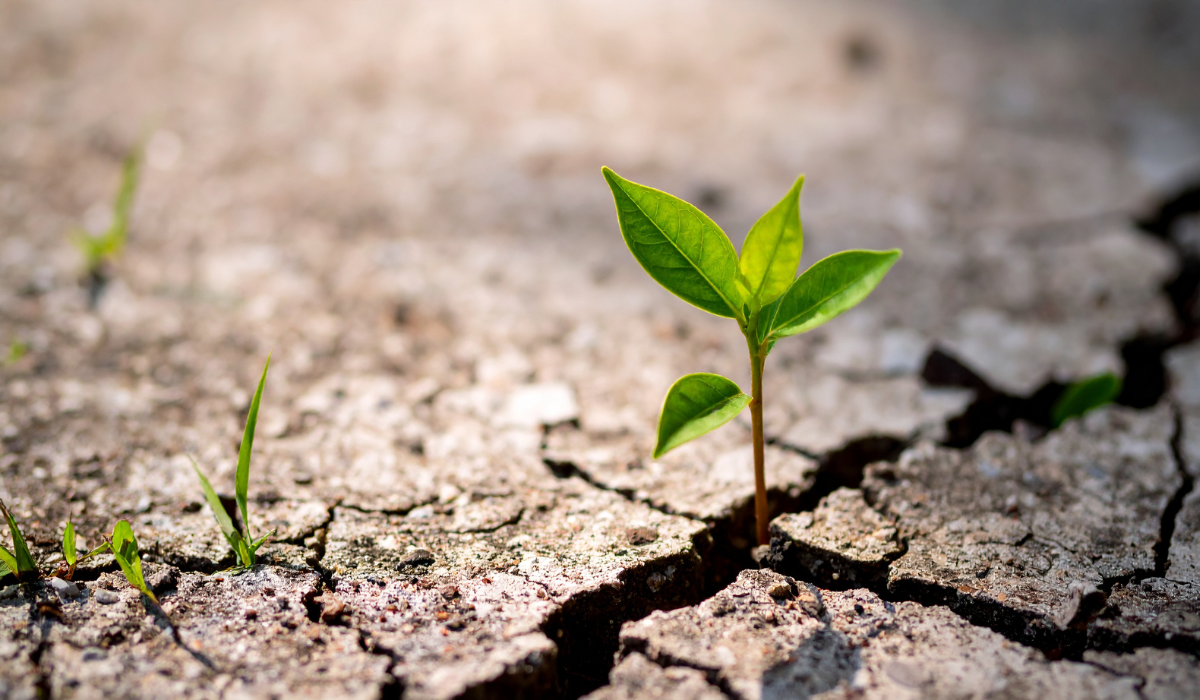
I often joke that I could teach a masterclass on resilience, so it felt fitting to write a blog about it this week. In case we haven’t met yet, I'm Colleen, the new Marketing & Operations Coordinator with Integrative Leadership Strategies.
I became a student of resilience early on in life, and I’ve been practicing it daily ever since. My teacher? Life hardships - most notably a progressive lung disease called Cystic Fibrosis, that came with a low life expectancy in the 90s.
Today, I’m in my 30s, healthy & thriving, and a full-time career professional with a limitless future. I credit the daily practice of resilience (and miracle medical breakthroughs) for helping me survive the daily unknowns, adapt and move forward.
Resilience isn’t something you’re born with, it's something you build. You too can develop it through your daily mindset and actions.
“Resilience isn’t something you’re born with, it’s something you build.”
Why Resilience Matters
Resilience is our compass when we’re in an unknown territory, our self-created light during dark times and our string of hope we can hold onto that allows us to keep going, even if the odds don’t feel in our favor.
As a leader, cultivating resilience is critical for:
Being able to successfully adapt and pivot during times of change and disruption
Managing stress and emotional stability, which in turn creates safe, supportive environments
Achieving clarity and acceptance so you can focus your energy on what you can control
Maintaining a positive mindset that uplifts your team’s morale and engagement
Cultivating trust in yourself and your team, and vice versa
Resilience isn’t just a personal skill, it has a collective impact on how well your team survives, adapts and grows.
How to Practice and Develop Resilience as a Leader
Leadership strengths and opportunities emerge from uncertainty and hardship. Here’s what to focus on to build your resilience:
Align Thoughts and Actions
Get clear on your purpose and values. When your thoughts, beliefs and actions are aligned, you’ll experience less stress and be able to better endure challenges.
List 2-3 beliefs or values that keep you going, along with 1 challenge you’re currently facing.
What’s one way you can align your beliefs and actions?
Develop a Constructive Mindset
How you frame your challenges and perceived ability to handle them matters. Problems can provide helpful data that lead to positive change and opportunity, or they can be something to fear. You decide.
What’s one past challenge I successfully navigated?
What’s one situation that’s currently going right?
What am I hopeful about for the future?
Use Your Energy Intentionally
Problem-solving, adapting and growth all require energy – don’t burn out your resilience by fixating on non-important stressors or things you can’t change.
What problems am I exerting my energy on?
Of these challenges, which ones can I control and which ones do I need to let go of and accept?
What will actually matter in a month? A year? 5 years?
Courageously Act
Resilience requires self-trust and action despite imperfect conditions and uncertainties.
What small action can you take this week to move things forward?
Regularly Reflect (& Pivot as Needed)
A strong leader acts, evaluates and course corrects. Use these simple exercises to identify areas for improvement going forward.
1) 10-Minute Journalling Exercise:
What happened?
What did I expect?
What did I learn?
What will I do differently next time?
2) Team Debriefs & Dialogue:
Create a safe, curious and non-blaming environment to ask your team learning-oriented questions so you can evaluate what went right and what could go better going forward.
A Few Quick Takeaways on Resilience
Practicing resilience as a leader is not about having all of the answers. It’s about uncovering your “why” and courageously acting even in the face of insurmountable uncertainties and challenges.
Growing up, I refused to let fear, gloomy medical statistics or potential negative outcomes dictate my life and happiness. I gripped tightly onto purpose, positivity and resilience, which propelled me forward. My mindset was centered around the hope and the belief that things would turn out okay. And they did, because I never gave up.
As we begin the New Year where change feels imminent and scary, I invite you to join me in building and practicing resilience through the five steps outlined above.
Good outcomes are possible for your life, your leadership and your team.
We offer a 16-week program called Foundations in Resilience. If you’d like to learn more about how this program could benefit your organization, schedule a consultation.