Can you guess what the #1 skill for highly effective managers is according to a Google corporate study?
It’s coaching skills.
Surprised? We’re not. That’s exactly why we run our Engage program to develop key coaching skills in people leaders.
“It might seem faster to just tell teams what to do; however, coaching team members to find their own answers is actually the most effective process for maximizing potential.”
There’s a disconnect between what leaders and teams want – more coaching, feedback and guidance – and what they’re actually getting from their managers.
And it’s not always the manager’s fault. Most companies just expect them to be a good manager instead of providing them with the leadership development they need to actually become an effective manager and leader.
What are leadership coaching skills exactly? They’re a secret weapon for leaders that are still largely misunderstood. It might seem faster to just tell teams what to do; however, coaching team members to find their own answers is actually the most effective process for maximizing potential.
Read on to discover why coaching skills matter for leaders and how they can tangibly increase overall effectiveness.
Why Coaching Skills are Critical in Today’s Workplace
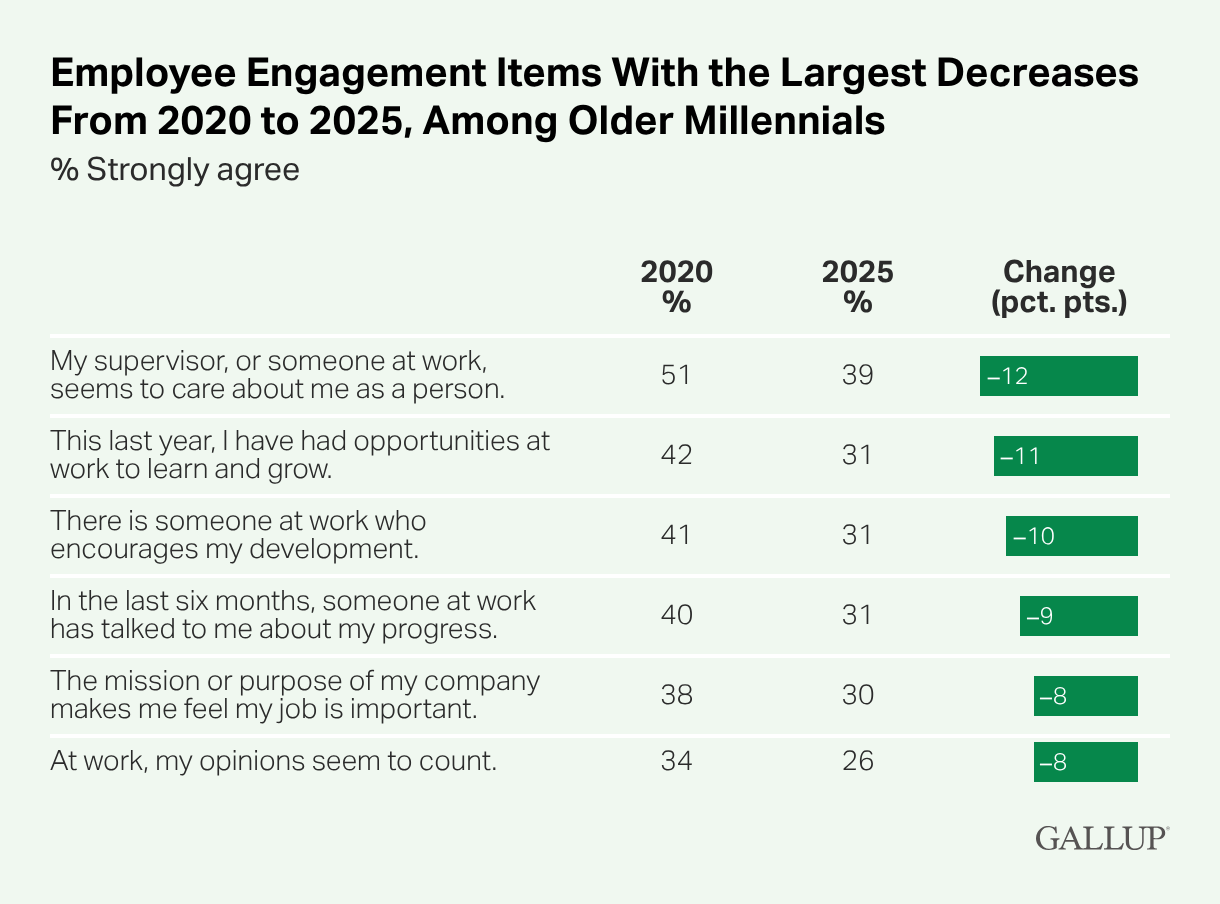
In our current age of rapid change and uncertainty, clarity is more important than ever. So is a manager’s leadership style and working relationship with their team, which was found to have the greatest impact on performance and job satisfaction in Google’s study.
There’s a critical deficiency right now in coaching skills that’s creating gaps in leadership development and team satisfaction resulting in:
Only 31% of U.S. employees being actively engaged at work. (Gallup Survey)
A voluntary turnover rate of 20% or higher over the past 12 months, and 55% turnover rate for Millennials. (HR Institute)
81% of organizations believing that their leaders are, “not at all or only somewhat,” effective at developing their employees. (Brandon Hall Group)
Coaching skills are essential for leadership growth and employee satisfaction. When expectations are clear, leaders feel equipped to guide their teams and workers feel empowered to make their own decisions, companies and people perform at their best.
How Building People Leader Coaching Skills Can Help
Developing leaders to be effective coaches is the strongest strategy for improving and sustaining performance and engagement, along with other benefits. In fact, companies with strong coaching cultures were found to be 2.9 times more capable of engaging and retaining top talent. (Development Dimensions International)
Leaders from our Engage program, for example, said that learning coaching skills has helped them:
Ask thought-provoking questions and empower their teams to arrive at their own answers and solutions
Increase their self-awareness with a new perspective that makes them a stronger manager
Better connect with, listen to and understand their team
Leverage team strengths and increase confidence
When leaders use the three key coaching skills — listening deeply, asking open questions, and sincerely acknowledging perspectives—they unlock clarity, creativity, motivation and higher work performance from their teams.
Summary: Why Leaders Need Coaching Skills in Today’s Workforce
Coaching skills for people leaders are a must-have that separate the top performing people managers from the rest.
The gap between leadership development and what employees need is widening. Employees want empowering conversations and support that allows them to think, grow and contribute rather than being told what to do. Few managers are currently equipped to handle these kinds of coaching conversations.
Leaders who can use the three coaching skills with their teams – listening, asking questions and acknowledging – can increase workforce engagement, retention and performance.
Want to learn to employ key coaching skills and practice them in-depth with other leaders? Join our Engage Program: Coaching Skills for Leaders.